
Preparing for the Boston Marathon is a process in which every detail is important. Training and nutrition lay the foundation, but the right equipment allows you to conserve energy and avoid unnecessary discomfort during the race. Even something as small as the wrong socks can ruin your experience of the most prestigious marathon in the world.
To make your choice easier, we have compiled a list of seven items that are considered essential for marathon runners:
- Shoes that can withstand the strain of 42 kilometers
- Socks that protect your feet from moisture and friction
- Shorts or tights for comfortable movement
- Tank top or T-shirt made of modern materials
- Headwear and eye protection from the sun and rain
- Compression garments to support your muscles
- GPS watch to monitor your pace and distance
Next, we will take a closer look at each item and explain how to choose the best option for the Boston Marathon.
Footwear
The right pair of sneakers is the key to a successful race. The Boston Marathon takes place in the spring, when the weather can change every few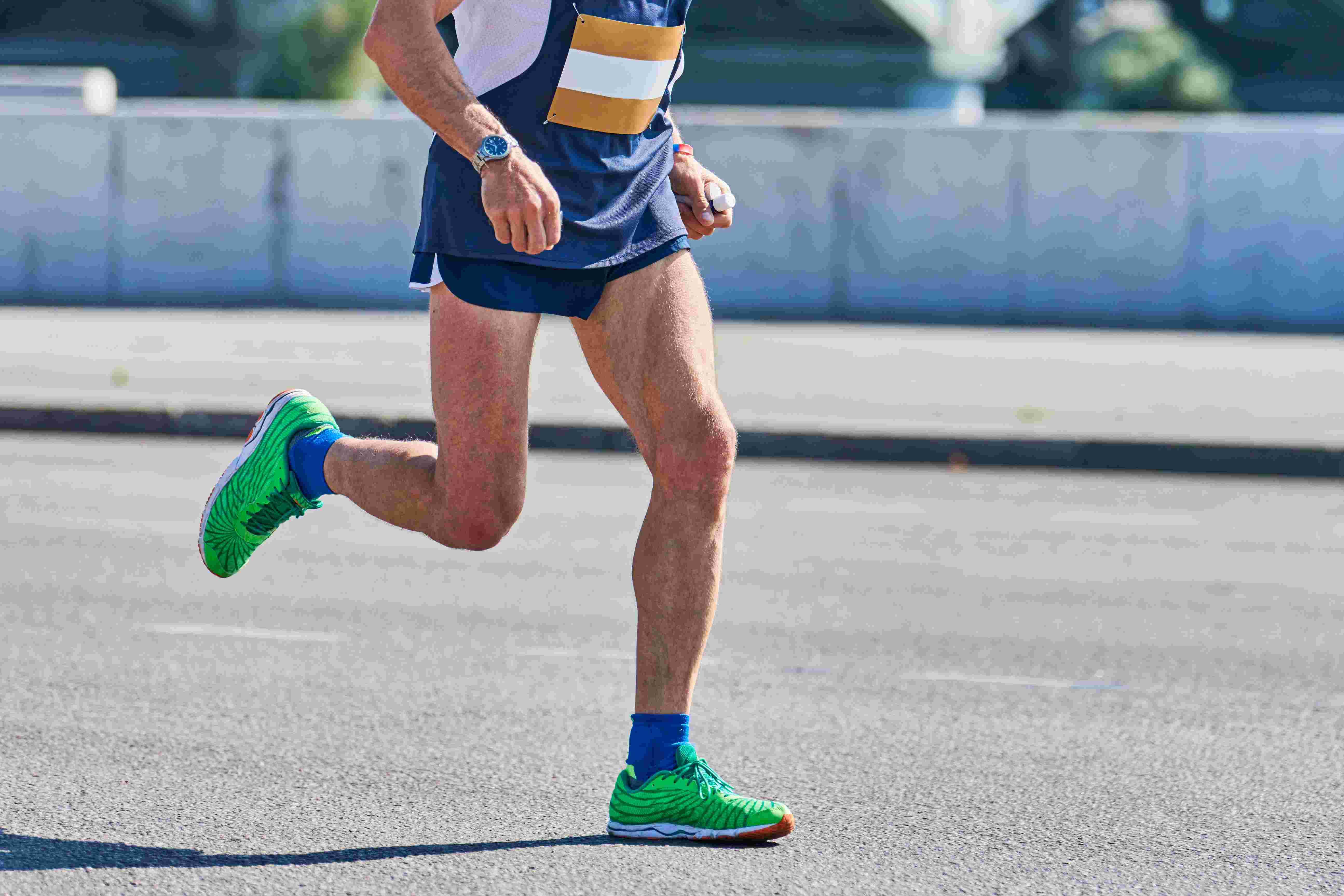 hours. The asphalt may be dry in the morning, but rain may start an hour after the start. Therefore, it is important to choose shoes with good traction and moisture-resistant materials.
When choosing sneakers, look at the cushioning. It should be sufficient to soften the impact when running 42 kilometers, but not too soft so as not to lose stability. It is best to test the model in advance: a few long runs will help you understand if the pair is right for you in terms of shape and stiffness.
Experienced runners advise training in shoes that are slightly heavier than competition shoes. Then, on marathon day, the chosen sneakers will feel lighter, and the load on your feet will be less noticeable.
Socks
A marathon is a test not only for your muscles, but also for the skin of your feet. Dryness and lack of friction are more critical here than style. Technical socks made of synthetic fabrics wick away moisture well and do not bunch up.
If you have already experienced blisters, try models with extra protection in the heel and toe areas. They are slightly thicker, but they reduce the risk of pain over long distances.
Shorts or tights
Clothing for the legs may seem secondary, but it is precisely this that helps to avoid energy loss. Shorts provide ventilation and freedom of movement, which is especially important in warm weather. Tights create a slight compression effect, reduce muscle vibration, and enable you to maintain your rhythm for longer.
It all depends on your habits. If you’ve been training mainly in shorts, don’t change your style right before the marathon. However, keep in mind that part of the Boston route runs through open areas where the wind is stronger. In such conditions, tights can provide additional protection from the cold and retain heat.
For practicality, pay attention to the presence of pockets. A small pocket for gel or keys can save you unnecessary hassle during the race.
T-shirt or tank top
The top part of your outfit determines how comfortable you will be throughout the race. Lightweight synthetic fabrics that dry quickly and do not absorb moisture are best suited for the Boston Marathon. Cotton should be avoided as it retains sweat and causes skin irritation.
Consider the color of your clothing! Light colors reflect the sun, which is helpful in clear weather. Dark colors are more suitable for cool mornings. If rain is forecast, you can wear a light water-repellent layer that is easy to remove and discard in the first few kilometers.
Headwear and eye protection
A cap, visor, or headband is a simple item that is often underestimated. The Boston Marathon is renowned for its unpredictable weather, which can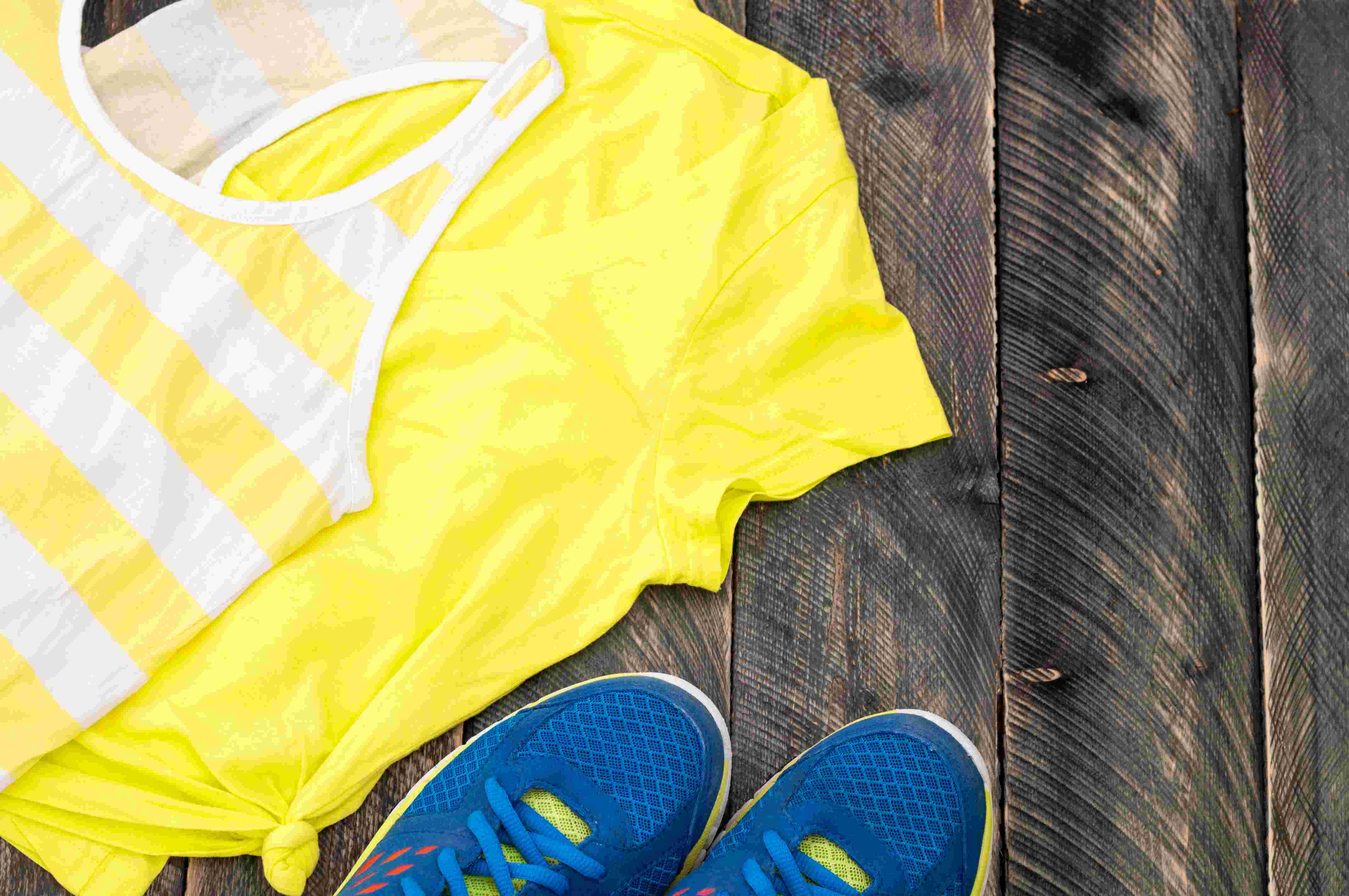 shift from rain to scorching sun in a single day. A cap will protect you from glare and raindrops, a headband will keep your hair in place and absorb sweat, and sunglasses will help keep your eyes comfortable.
Many runners choose a visor because it protects the face from the sun without overheating the head. This option is especially popular among those who feel uncomfortable wearing a full cap during the race.
Compression gear
Compression socks and arm sleeves have gradually ceased to be considered a fashion accessory and have become a working tool. For many Boston Marathon participants, this is a way to reduce muscle fatigue, alleviate the load on the calves, and expedite recovery after the finish.
Some wear compression gear only for the second half of the marathon, while others use it from the very first kilometers. In any case, these items help you keep your rhythm longer and feel your legs are “fresher.”
GPS watch
In a marathon, it is essential to pace yourself correctly. The Boston Marathon takes place on a route with elevation changes, making it easy to lose your optimal pace due to the ups and downs. A GPS watch will help you track your speed and stay on track with your plan. Some devices also show your heart rate and exertion level. This data will help you avoid overheating or starting too fast, which is often a problem for beginners.
Ready for a Run?
The Boston Marathon requires serious preparation, and choosing the right equipment is just as essential as training. Seven key items—shoes, socks, shorts or tights, a tank top or T-shirt, a hat, compression garments, and a GPS watch—form the basis for completing the distance with confidence.
Comments are closed