
Preparing for the Boston Marathon requires months of training. However, even the strongest athlete can encounter problems if their sneakers are too tight, rub, or fail to provide the necessary support. Comfort and confidence in every step is the main secret to completing the distance. Therefore, choosing the right shoes should be part of the training process, along with your running plan and nutrition.
The right sneakers help distribute the load, reduce the risk of injury, and save energy over long distances.
In this guide, we’ll explore the key parameters to consider and how to find the perfect pair that will help you run 42 kilometers in Boston with confidence and enjoyment.
Define your goal
The first step is to understand what you expect from the Boston Marathon. For beginners, the key goal is to reach the finish line. Experienced runners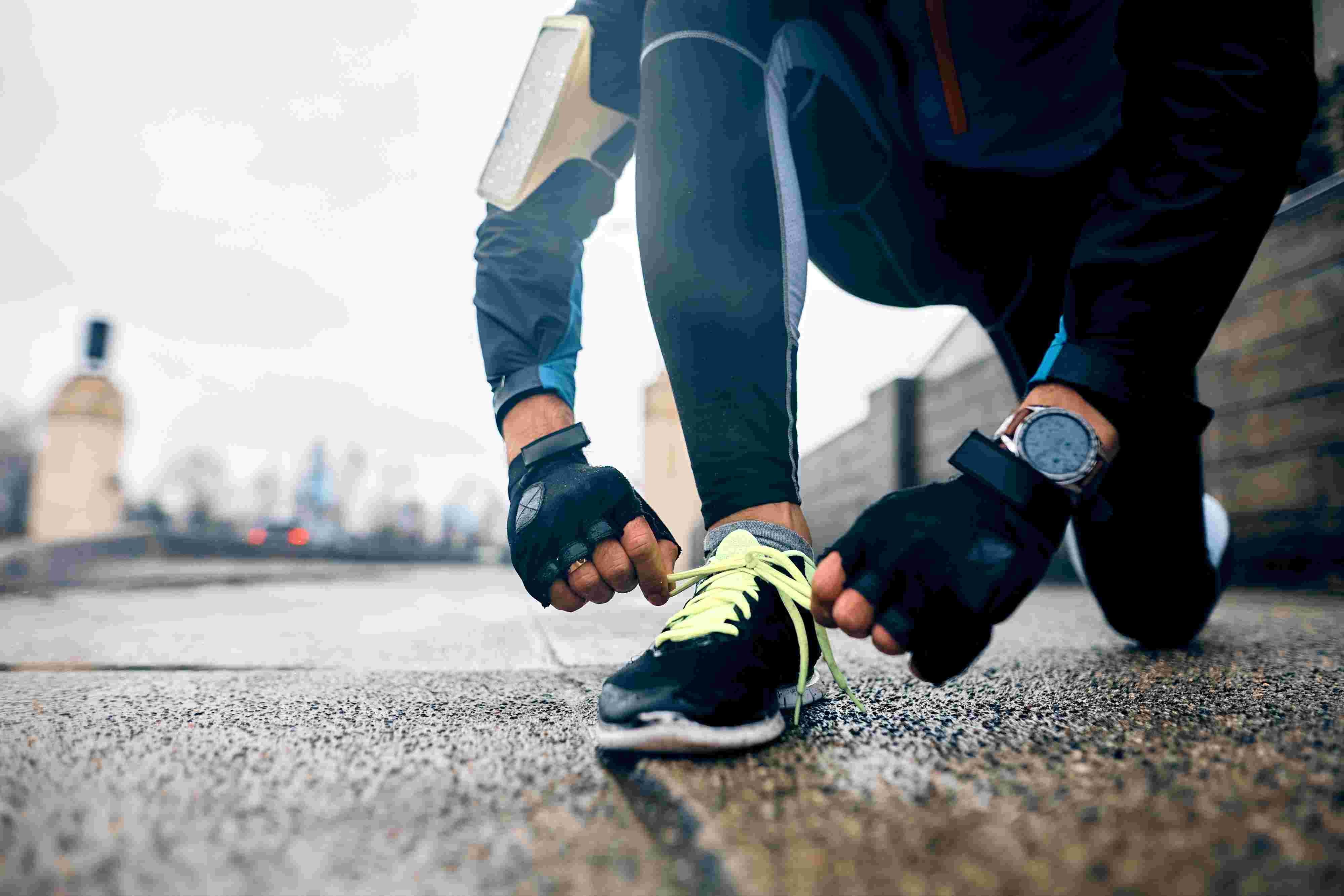 want to show their time and beat their personal record. These different goals require different types of shoes.
- If you are running for the first time, comfort is your top priority. It’s best to choose a pair of tried-and-tested trainers that you’ve been training in for the last few months.
- If your goal is a fast time, consider lightweight models with responsive soles that help you accelerate.
Your goal determines all further decisions. Even if you’re looking at the latest fashionable models, always come back to the question: “Will this pair help me achieve my goal?”
Key parameters for choosing shoes
When it comes to a distance like the Boston Marathon, it’s essential to consider all the details. Your shoes should be comfortable and help you cope with the load over more than 40 kilometers. Below, we break down the key parameters to consider when making a choice.
Cushioning and responsiveness
The balance between softness and elasticity is a crucial factor when selecting sneakers.
Cushioning is necessary to protect your joints over long distances. But excessive softness can “eat away” at your energy. Responsiveness, on the other hand, helps you transition from heel to toe faster and accelerate, but sometimes these models are less comfortable on long runs.
The ideal option for the Boston Marathon is a shoe that combines both qualities. The marathon route includes ascents and descents, which means your feet need to feel confident on any section of the route.
At the same time, you shouldn’t look for maximum cushioning at any cost. Over long distances, excessive softness can hinder your progress. It’s better to find a happy medium where your foot feels both support and a springy response.
Size and fit
Even the perfect model will be useless if the size is wrong. During a marathon, your feet swell due to the load and heat. Therefore, it is recommended to choose sneakers that are half a size larger than your usual shoes. This leaves room for your toes and protects your nails from pressure.
Pay special attention to the width of the last. If your toes are cramped, you will get blisters. If they are too loose, your feet will “walk” around, which will lead to injuries. It is best to try on sneakers in the evening when your feet are slightly swollen after a day. In this state, your feet will be closer to the conditions of the race.
Ventilation
The Boston Marathon takes place in the spring, but the weather can vary: cool mornings, humid air, or unexpected sunshine. Sneakers should be breathable to keep your feet dry.
A mesh upper helps wick away moisture and maintain comfort. Lightweight fabrics reduce the weight of the shoes, thereby reducing fatigue in the final kilometers. If the model does not allow air to pass through, the risk of overheating and blisters increases.
An additional advantage of good ventilation is less moisture accumulation inside the sneakers. This reduces the risk of discomfort and makes running stable even in high humidity or rain.
Features of the sole
Modern sneakers often use a “rocker” sole geometry. This occurs when the toe is raised and the heel smoothly transitions into the mid-part. This shape helps the foot roll and saves energy.
This is especially relevant for the Boston Marathon. The route includes hills, and each climb requires a smooth and steady stride. A rocker-shaped sole helps distribute the load and gives a feeling of forward movement even on tired legs.
Question of “super shoes”
In recent years, so-called “super sneakers” with carbon plates have appeared. Studies show that they can improve running economy by several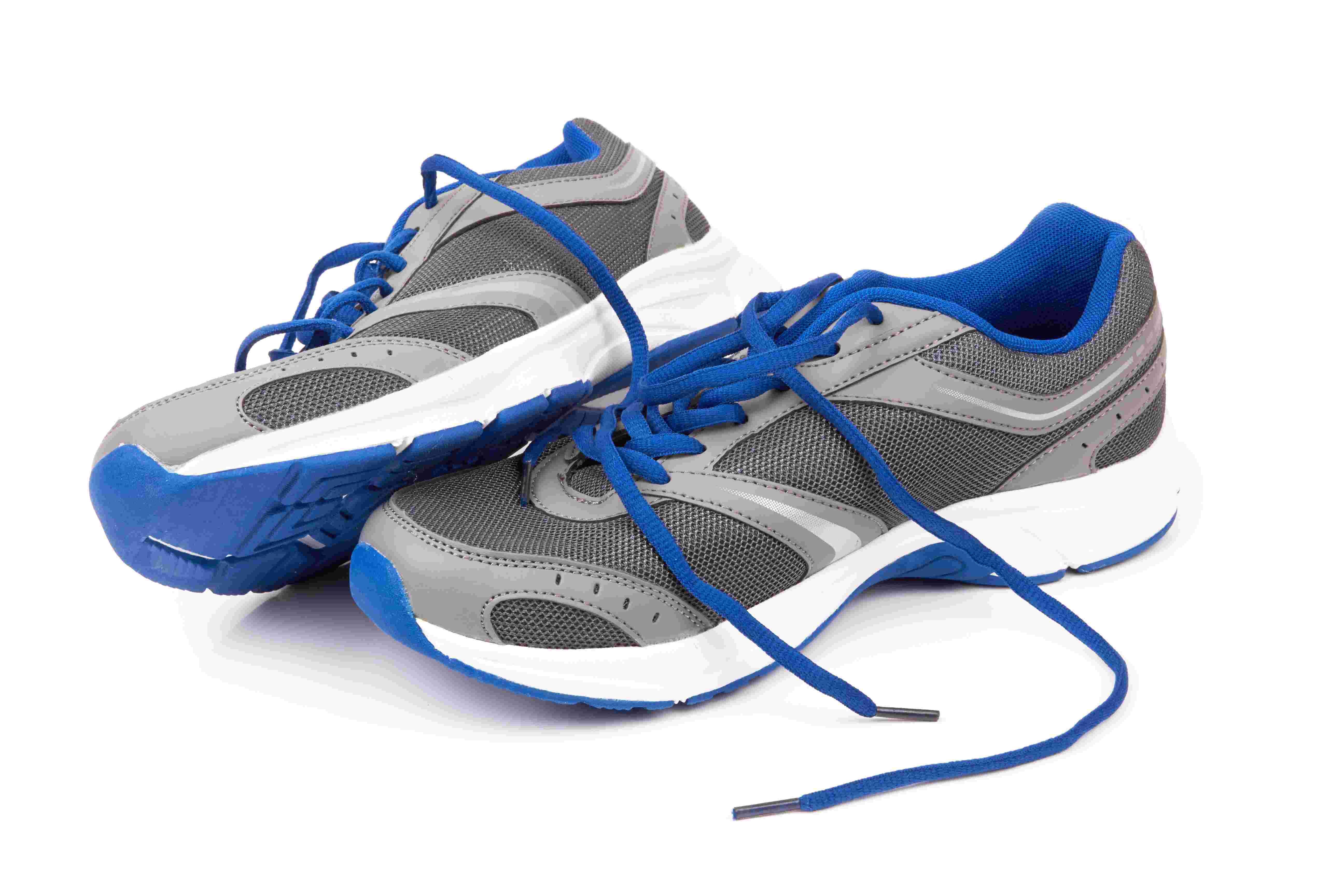 percent. However, the effect depends on the athlete’s speed: the higher the pace, the greater the benefit.
For Boston Marathon professionals, such models can provide an opportunity to reduce their time. For beginners, stability and comfort are still the most critical factors, and carbon does not always play a decisive role.
Final Checklist
To bring all the tips together in a single guide, use this list when choosing sneakers:
- Determine your goal for participating in the Boston Marathon (finish or record).
- Check the level of cushioning and responsiveness.
- Choose the right size with room for your toes.
- Pay attention to the width of the last and the tightness of the foot fixation.
- Give preference to breathable materials.
- Evaluate the shape of the sole and its comfort on inclines.
- Consider whether you need models with a carbon plate.
The right shoes for the Boston Marathon strike a balance between comfort and functionality. Every runner is unique, so it’s worth testing different models during training to find the one that suits you best. Don’t chase fashion, listen to your feelings.
At the start in Boston, you will have only one task: to focus on the distance. Let your chosen pair of sneakers become your reliable partner, helping you reach the finish line with a smile.
Comments are closed